

This article originally appeared in the Forester Newspaper, Wednesday 4th April 2025…
You have to feel sorry for poor Henry Evans who was sent to prison for six weeks in May 1884 for stealing some broccoli, worth just three pence, from Charles Powell, landlord of the Lamb Inn in Gloucester Road, Coleford.
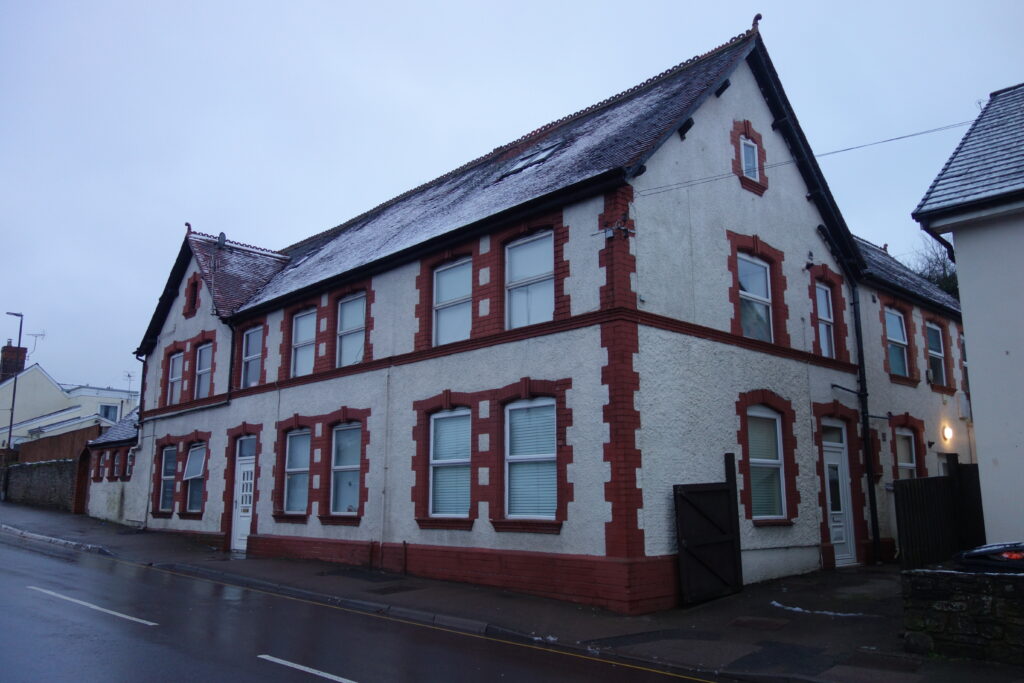
Similarly in November 1893 Joseph Davis was charged with stealing a frying pan, worth one shilling, from John Pritchard, the landlord of the Carpenters Arms, Hewelsfield. He spent a month in jail. Your sympathy won’t extend to Hiram Archer, a miner well known to the local constabulary, who got drunk with his mates at the Nags Head in Oldcroft on the night of 29th July 1851 and set upon a poor middle-aged woman called Mary McCarthy who was warming herself by a brazier outside the pub. With Hiram Archer acting as the callous ringleader, she was systematically raped in turn by nine men. The Lydney Observer described it as “The Brutal Outrage in the Forest.” Archer and his accomplices were sentenced to transportation for life.
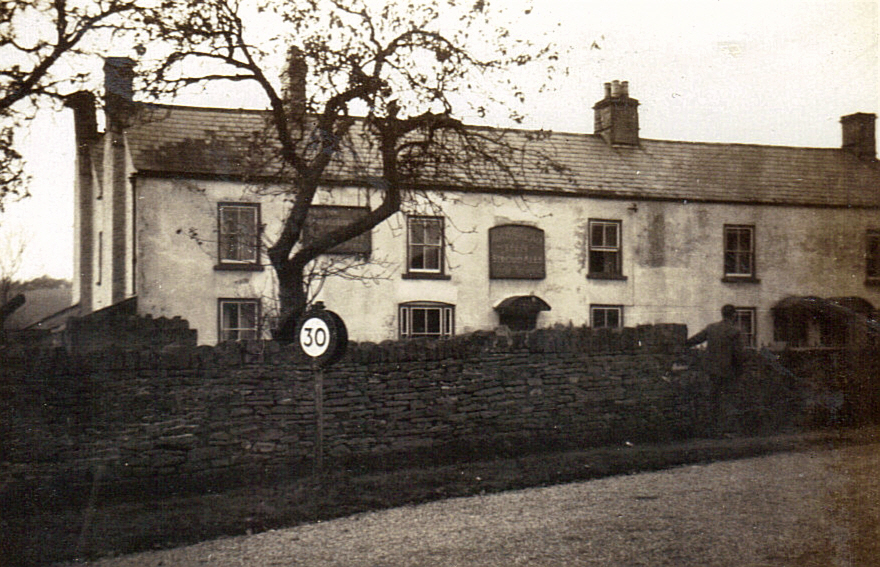
The lamentable tale of ‘who killed the bears’ is indelibly entrenched in Forest of Dean folklore, and for over 100 years it is said to be unwise to ask ‘who killed the bears’ in Ruardean whose descendants are accused of the barbaric attack on the innocent performing black bears. The ringleader of the gang that led to the senseless death of the bears on April 26th 1889 was found to be George Wicks, landlord of the Jovial Colliers in Ruardean Woodside. The evidence certainly seems to put the blame on Ruardean parishioners, but the reasoning behind the unruly behaviour may have been instigated by taunts and malicious rumours that might have originated as the performing black bears passed drunken colliers at the Old Engine Inn in Steam Mills as they left Cinderford.
The performing bears had been brought from France by four Frenchmen and they were on a tour of the Forest of Dean. Earlier in the day they had performed in Cinderford and were walking in procession to more shows in Nailbridge, Drybrook, Ruardean and ending up at nightfall in Lydbrook. By the time they reached Nailbridge a rumour had been started, presumably in jest from drunken colliers at the Old Engine and other pubs, that the bears had killed a child and mauled a woman in Cinderford. A lack of communication with the Frenchmen raised tensions and tempers ensued. The colliers followed the bears and their entourage through Nailbridge and onwards towards Ruardean shouting ‘kill the bears’. The bustling angry mob got larger and by the time they reached Ruardean it was 200 strong. In the chaos the bears broke free from their chains and were viciously attacked. One bear was shot dead. The Frenchmen were offered protection by Ruardean villagers who sheltered them in their houses from the baying mob. The Dean Forest Newspaper expressed their sympathy towards the Frenchmen and raised an appeal which more than compensated in monetary terms for the loss of the bears.
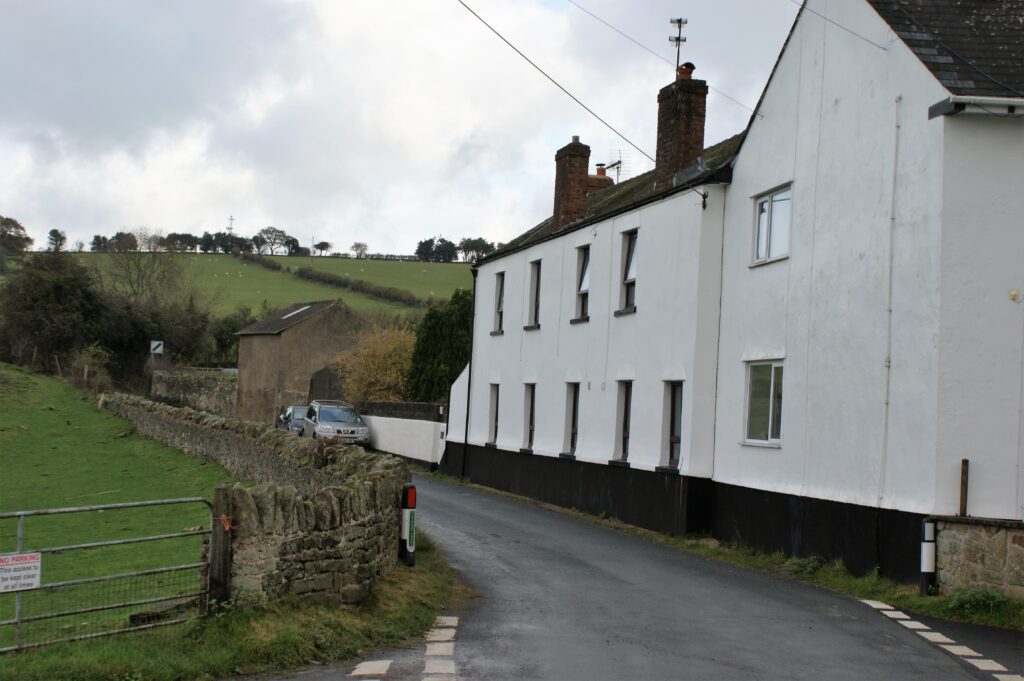
George Wilks, of the Jovial Colliers, was 49 at the time of the incident. Found guilty of affray he was ordered to pay a hefty fine of £26 or face the alternative of going to prison for two months. He was said to be a man of good character and paid the charge. His 21-year old-son, Robert Wilkes, was also among the guilty men. At Littledean Petty Sessions annual licensing day on August 23rd 1889, Police Superintendent Ford opposed the renewal of the license of the Jovial Colliers for George Wilkes. “This man, it was alleged, instigated the recent attack on the Frenchmen and their bears.” Fortunately for George, Mr. F. F Goold, instructed by Mr. Bradstock, appeared in court to support him and put in a document to support the license signed by a large number of inhabitants praying that it might be renewed. Superintendent Ford gave Wilkes a good character and his license was renewed.
The unanswered question, which seems to have never been satisfactorily explained, is exactly where and why George Wilks got involved. Was he amongst the drinkers heckling the procession as they left Cinderford, or did he leave the Jovial Colliers with the intention of confronting the Frenchmen and their bears? Furthermore, after the attack why were a ‘large number of inhabitants’ of Ruardean so keen to protect his license at the Jovial Colliers?
These are just some of the stories relating to Forest of Dean pubs that are documented in Geoff Sandles’ impressive website ‘Gloucestershire Pubs’. It truly is an amazing resource which is trying to locate, describe and list all the pubs in the county of Gloucestershire both past and present. Bearing in mind that the old county boundaries of Gloucestershire extended into the area now known as South Gloucestershire, the task that Geoff is undertaking is undeniably over-ambitious, and realistically he has no chance of ever completing the project. Mr Sandles, 68, said: “My Gloucestershire Pubs website has been steadily evolving for at least 25 years, and it is based on old documents I discovered containing lists of pubs that existed in late Victorian and early Edwardian times. At least three quarters of those pubs have long since disappeared and my challenge was to re-discover exactly where they were and research old newspapers for articles relating to their social history.”
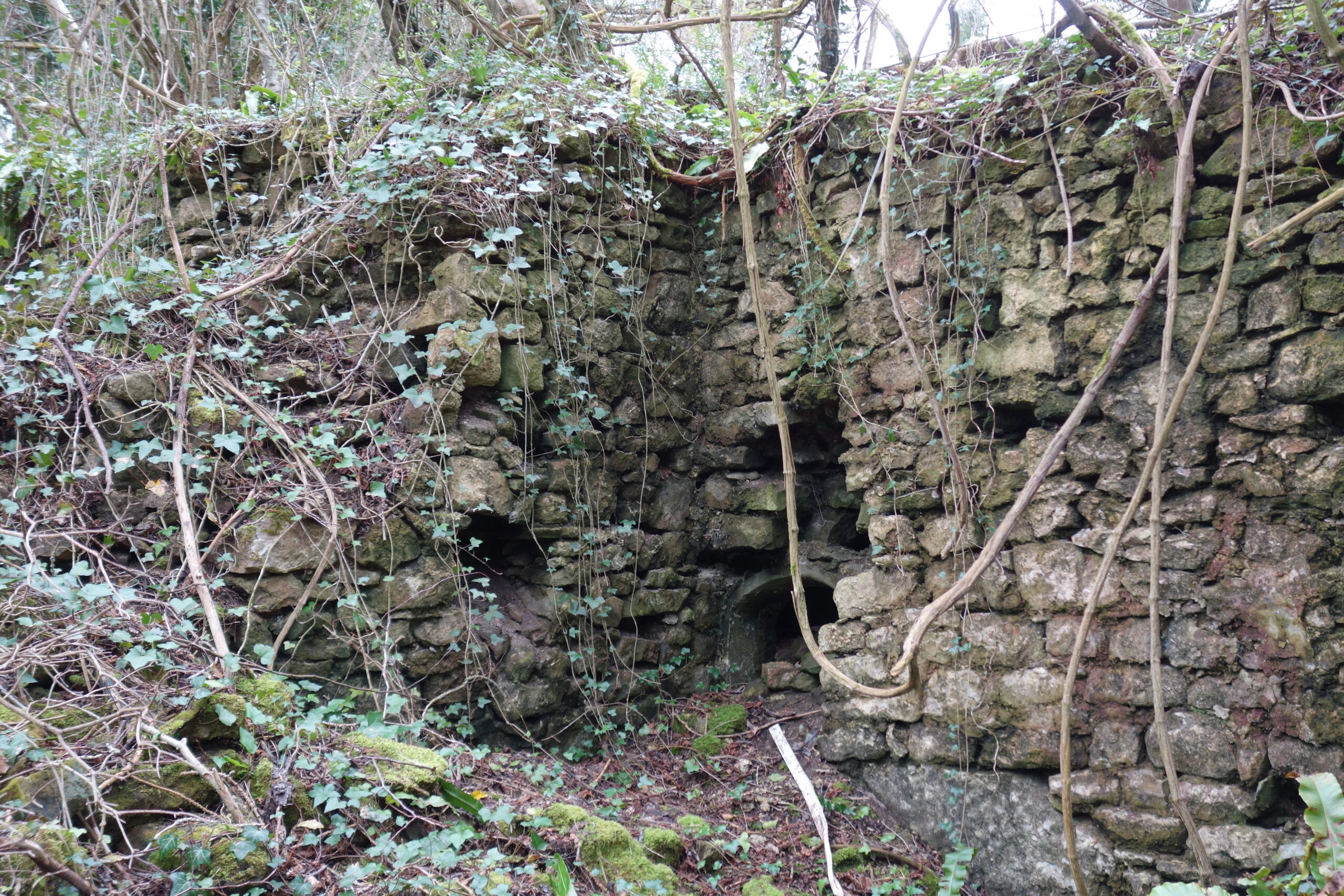
In the Forest of Dean area many of the pubs were simply listed under East Dean and West Dean, making it difficult to pinpoint pubs that shared the same name such as the Rising Sun or the Miners Arms. Geoff has discovered hundreds of bygone pubs in the Forest and most of them have been identified and described on the website with accompanying photographs, old newspaper articles with contemporary advertising. Yet there is much more to do and some unanswered questions. He is particularly interested in finding the exact location of the Folly Inn that was once located in Whitecliff just outside Coleford. He said: “Admittedly it closed over 130 years ago, way beyond living memory, but this beer house has been difficult to track down. The Whitecliff furnace had closed by 1818, but the Folly Inn is known to be trading over seventy years later. I have discovered ruins of an isolated stone building on the ancient Rock Lane almost hidden away in vegetation. Could that have been the site of the elusive Folly Inn?”
Gloucestershire Pubs is purely a labour of love, free from advertising and self-funded by Mr Sandles. He is determined to keep it commercially free. Last year there was a real danger that the thousands of hours that have gone into building up the website could have been irretrievably lost as his friend and beer drinking colleague, Dave Hedges, who had initially set up the website sadly passed away without safeguarding access to the webhosting company. With no passwords or authority to access the website, Geoff eventually gained permission via Dave’s next of kin, his brother Simon. The entire website has been transferred to a web hosting company based in Coleford, 99 Web Ltd. They were astounded on how much content was on the website, it took many hours to safely transfer. Geoff would like to extend his gratitude to Ian Whitburn and the team at 99 Web for saving the website which has now been accessed by nearly 42,000 ‘hits’.

Geoff Sandles is currently the chairman of the Forest of Dean branch of CAMRA, and has had a passion for beer and pubs stretching back 50 years. He was postman for 40 years delivering mail to the Cotswold village of Withington. Upon retirement he and his wife Kathy moved from Brockworth to Coleford.